The central nervous system comprises the brain and spinal cord, structures responsible for integrating information received from the body and the external environment, as well as for coordinating motor, cognitive, autonomic, and emotional responses. It controls essential processes such as voluntary movement, cognition, memory, emotional regulation, respiration, heart rate, and endocrine activity.
Central nervous system health may be influenced by ageing, stress, inadequate nutrition, smoking, sleep deprivation, and a sedentary lifestyle. In stressful situations, information is processed by cerebral structures involved in emotional regulation, such as the amygdala and hypothalamus, which may lead to activation of the adrenal glands and the release of adrenaline and cortisol. Acute stress may manifest as palpitations, increased blood pressure, accelerated breathing, and mood changes, whereas chronic stress may be associated with sleep disturbances, irritability, fatigue, reduced energy levels, and memory impairment.
The HumanoPedia medical dictionary provides essential information on the central nervous system, stress, and the mechanisms through which the body responds to stressors. This facilitates a clearer understanding of the role of the central nervous system in maintaining physical and psychological homeostasis.
Learn useful information about your condition. Browse the glossary by letter or by medical condition.


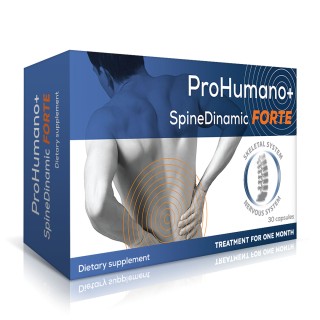
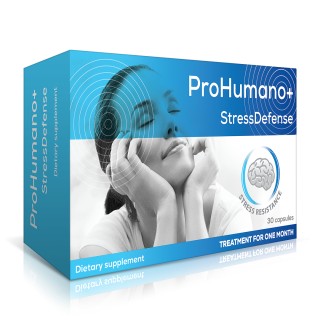
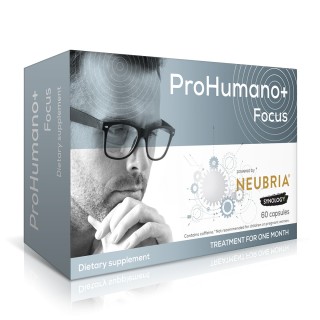
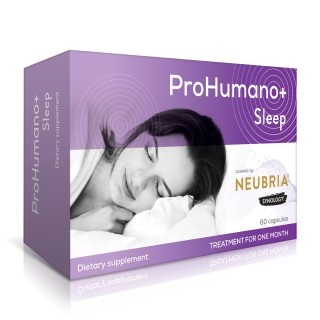
ProHumano+ product range was created thinking about how to best serve and do good to the people.
Every ProHumano+ product encompasses the continuous care for people, down to the smallest detail.


Dedicated to life.
Naturally.
ProHumano+ products are distributed by PRISUM HEALTHCARE, one of the most important company on the Romanian market of food supplements and also a significant supplier of life-saving human plasma products.
PRISUM HEALTHCARE Ltd. · Commercial registry tax identification code J1994011717408 · Fiscal identification number RO 5919650 · Main activity: 4646, wholesale of pharmaceutical goods
Company headquarter Globalworth Square Building, 6 Gara Herastrau Street, 3rd Floor, District 2, Bucharest, Romania · Registered office 17 Gen. Gheorghe Manu Street, office no. 1, District 1, Bucharest, Romania · Phone 021 322 0171 / 021 322 0172 · Fax 021 321 7064 · Email contact@prohumano.ro · Legal notice
© 2026 Copyright PRISUM HEALTHCARE